 ほっし校長
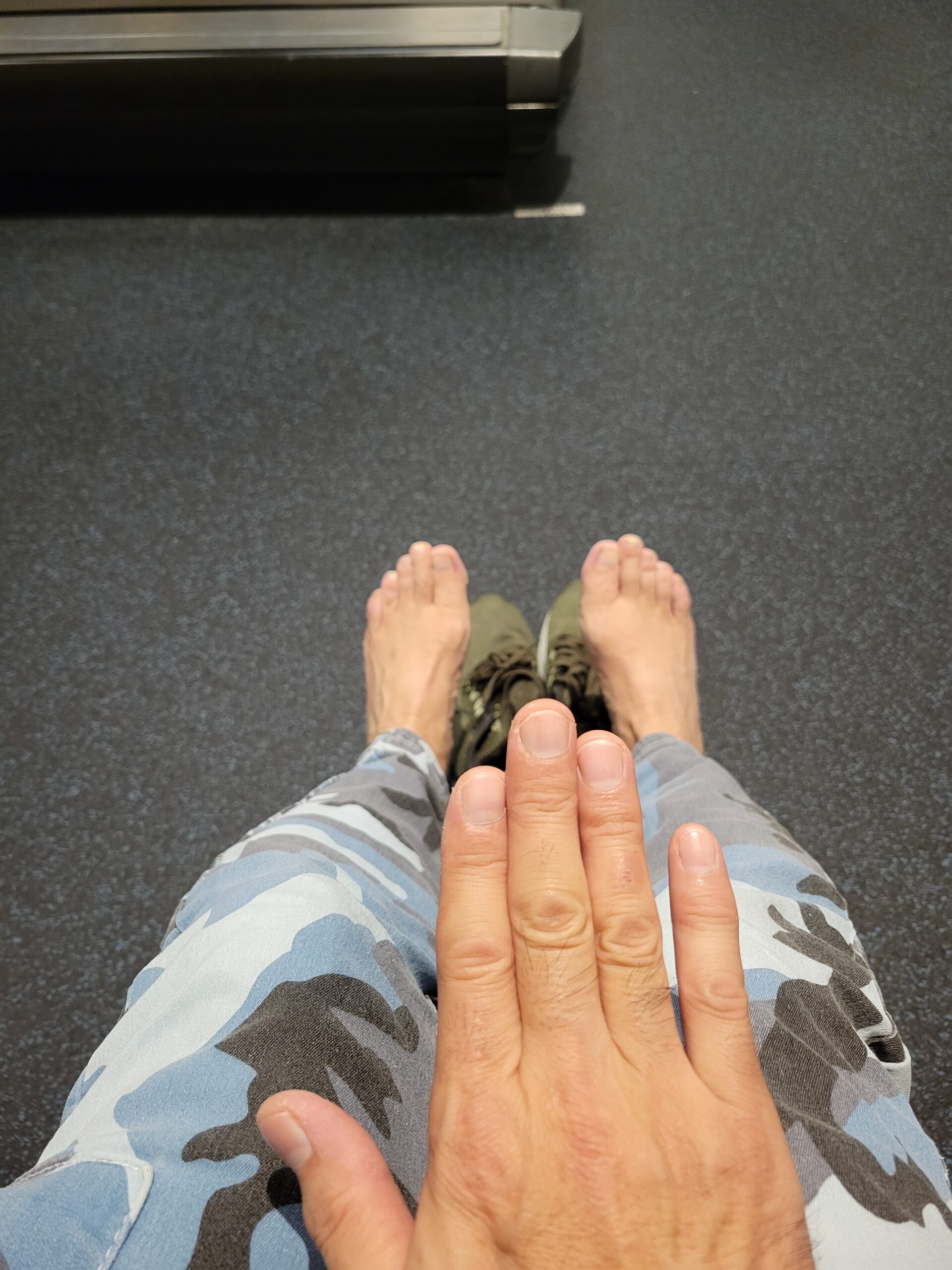
ほっし校長 足の人差し指が親指より長い「ギリシャ型」の足と、手の薬指が人差し指より長い特徴について、それぞれの希少性とスピリチュアル的な見方、あるいは科学的な解釈をまとめました。
—
### 1. 足の人差し指が親指より長い人(ギリシャ型)
足の指の長さには主に「エジプト型(親指が一番長い)」「ギリシャ型(人差し指が一番長い)」「スクエア型(ほぼ同じ長さ)」の3タイプがあります。
* **希少性:**
日本人の中で最も多いのはエジプト型(約7〜8割)で、ギリシャ型はそれに次ぐ割合で、一般的に**10〜20%程度**と言われています。欧米人には比較的多いタイプです。
* **スピリチュアル的・性格的な解釈:**
占いなどの観点では、以下のように言われることが多いです。
* **リーダー気質:** 想像力が豊かで、自ら先頭に立って行動するリーダータイプ。
* **高いエネルギー:** 行動的でエネルギッシュ。
* **前世との関わり:** スピリチュアルな解釈では「前世からの使命を持って生まれてきている」と語られることもあります。
—
### 2. 手の薬指が人差し指より長い人(2D:4D比)
人差し指(第2指)と薬指(第4指)の長さの比率は「2D:4D比(示指環指比)」と呼ばれ、科学分野で研究対象となっています。
* **希少性:**
性差が大きく、**男性は薬指の方が長い(2D:4D比が低い)人が多く、女性は人差し指と薬指が同じか、人差し指の方がわずかに長い人が多い**傾向があります。つまり、男性であれば一般的(多数派)、女性であれば比較的少数の傾向と言えます。
* **科学的・心理学的な研究:**
この比率は、胎児期に母親の胎内で浴びたテストステロン(男性ホルモン)の量と相関があるという説が多くの研究で示唆されています。
* **男性ホルモンの影響:** 胎児期に男性ホルモンを多く浴びた人ほど、薬指が長くなる傾向があるとされています。
* **関連付けられている特徴:** 研究では、持久力、空間認知能力、攻撃性、あるいは特定のスポーツ能力、さらには経済的なリスク選好など、様々な分野でこの比率との関連が調査されています。ただし、これらはあくまで統計的な傾向であり、個人の能力を決定づけるものではありません。
—
### まとめ
* **足のギリシャ型**は、日本人の統計では少数派であり、積極的でリーダーシップのある性格傾向として語られることが多いです。
* **薬指が人差し指より長いこと**は、科学的な研究領域において、胎児期のホルモン環境の影響を受けて形成される統計的な傾向として扱われており、男性には一般的な特徴です。
どちらも「希少性」があるかどうかは対象となる母集団(人種や性別)によりますが、体の一部が持つユニークな特徴として捉えることができます。
※これらの解釈には統計的・占い的な側面が含まれており、すべての人に当てはまる科学的な事実ではないことにご留意ください。
◻️英語に翻訳いたしました。
以下に、学術的・科学的なトーン(Nature誌のような専門的かつ客観的な文体)で翻訳した文章を記載します。
***
### A Review of Morphological Traits: The “Greek Foot” and the 2D:4D Digital Ratio
The phenotypic variation of foot morphology and the relative length of digits are biological markers that have attracted interest across both anthropometric and psychological research, as well as in cultural lore.
#### 1. The Greek Foot Morphology (Longer Second Digit)
The “Greek foot,” characterized by a second digit (second toe) that exceeds the length of the hallux (first digit), stands in contrast to the more prevalent “Egyptian” (hallux-dominant) and “Square” (isodactylous) foot types.
* **Prevalence:** In the Japanese population, this phenotype is estimated to occur in approximately 10–20% of individuals, rendering it a minority trait compared to the predominant Egyptian type. Conversely, this morphology is more frequently observed in Western populations.
* **Cultural and Anecdotal Interpretations:** Outside of anatomical classification, this trait is frequently subject to speculative interpretation. Popular literature often correlates the Greek foot with leadership qualities, energetic disposition, and heightened creativity. Esoteric frameworks further suggest that this morphology implies a predetermined “karmic mission,” though such assertions lack empirical evidence and remain strictly within the realm of cultural folklore.
#### 2. The 2D:4D Digital Ratio (Ring Finger Dominance)
The ratio of the length of the second digit (index finger) to the fourth digit (ring finger), commonly known as the 2D:4D ratio, is a well-documented biomarker in developmental biology and endocrinology.
* **Sexual Dimorphism and Prevalence:** This ratio exhibits notable sexual dimorphism. In general, males tend to possess a lower 2D:4D ratio (indicating a longer fourth digit relative to the second), which is often associated with higher prenatal exposure to testosterone. Females, on average, exhibit a higher ratio, where the index and ring fingers are of similar length or the index is dominant.
* **Scientific Context:** Research into the 2D:4D ratio suggests that it serves as a proxy for the intrauterine hormonal environment. Numerous studies have investigated correlations between lower 2D:4D ratios and various traits, including spatial cognitive ability, athletic performance, and risk-taking propensity. It must be emphasized, however, that these findings represent statistical trends rather than deterministic indicators of individual character or capacity.
#### Concluding Remarks
In summary, while the Greek foot represents a phenotypic variation with culturally derived, anecdotal associations regarding personality, the 2D:4D ratio is a quantifiable metric in biological research. These morphological characteristics should be interpreted within their respective contexts: the former primarily as an anthropometric classification often romanticized in popular culture, and the latter as an observable, albeit probabilistic, marker of prenatal developmental endocrinology.
【絵本】マンタに乗った少年
★★★★★★★★★★★★★★★★★★★★★
出版社 文芸社
著者 ほっし校長
◻️2026年8月~三省堂書店本店名古屋駅ゲートタワーモール8階
◻️2026年9月~三省堂書店本店池袋駅東武百貨店地下一階
◻️2026年9月~三省堂書店神保町本店
各書店にて、絵本フェア特別コーナーでの発売中です。
また、全国の紀伊国屋書店
文教堂書店、どちらの書店においてもご購入できます。
★★★★★★★★★★★★★★★★★★★★★
【絵本】マンタに乗った少年
★★★★★★★★★★★★★★★★★★★★★
出版社 文芸社
著者 ほっし校長
2025年11月~全国書店にて発売中です。
全国の
紀伊国屋書店
文教堂書店
など
★★★★★★★★★★★★★★★★★★★★★
【絵本】マンタに乗った少年の原作は、
「【生き抜く力】ガンと闘う10歳の僕におきた奇跡」です。
こちらの書籍版はこちらから
☆☆☆☆☆☆☆☆☆☆☆☆☆☆☆☆☆☆☆☆☆☆☆☆
生き抜く力【ガンと闘う10歳の僕に起きた奇跡】|ほっし校長|note
жжжжжжжжжжжжжжжжжжжжжжжжжжжжжжжжжжжж


