 ほっし校長
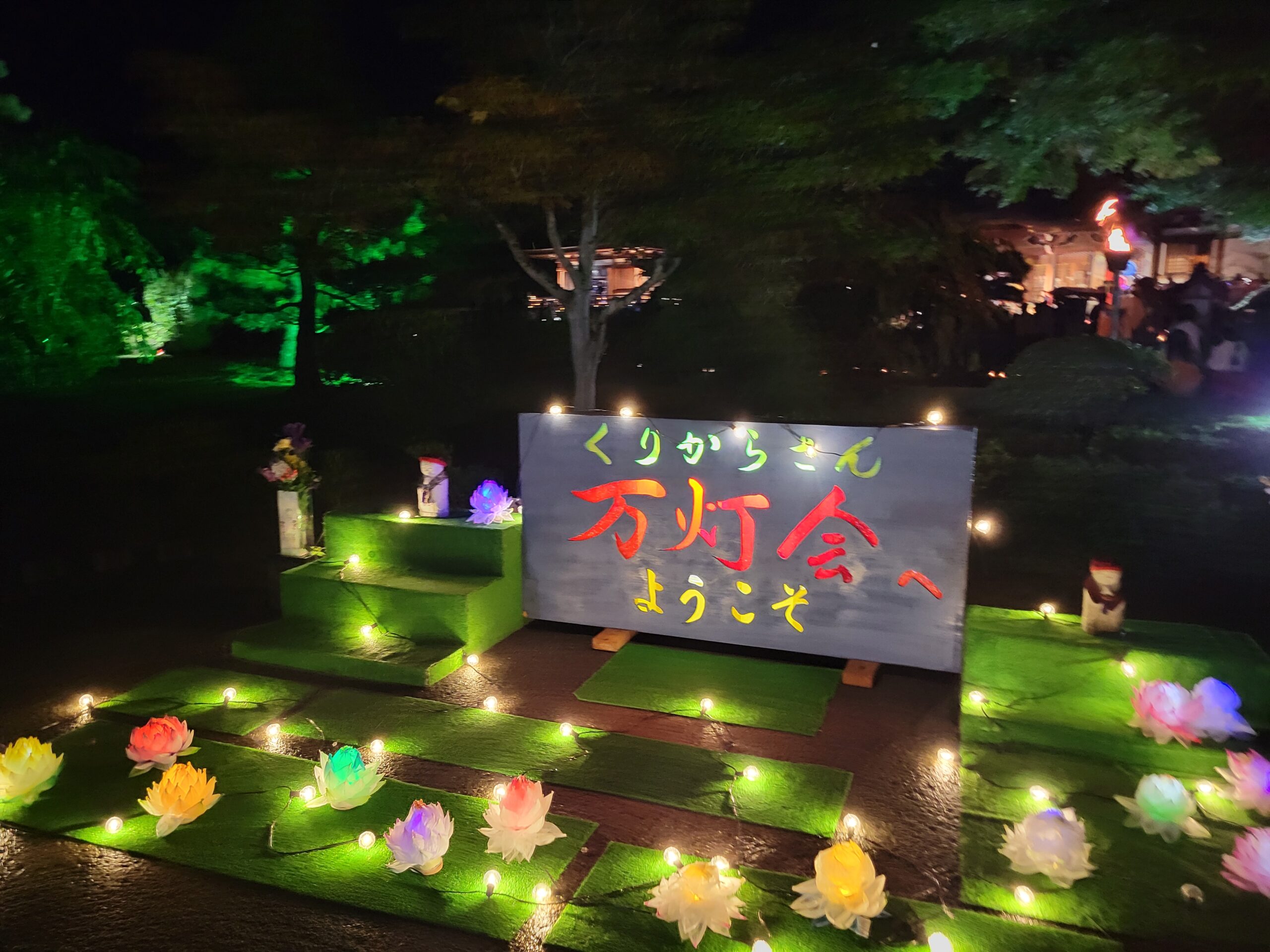
ほっし校長 お盆(おぼん)と功徳(くどく)は、日本の仏教文化における非常に重要な概念であり、深く結びついています。それぞれの意味と、この時期にどのように関わり合うのかを解説します。
### 1. お盆とは
お盆(正式名称:盂蘭盆会・うらぼんえ)は、先祖の霊が年に一度現世に戻ってくる期間とされており、家族で先祖を供養し、感謝を伝える日本固有の伝統行事です。
* **由来:** お釈迦様の弟子である目連(もくれん)が、餓鬼道に落ちて苦しんでいる母親を救うために修行を終えた僧侶たちを供養したところ、その功徳によって母親が救われたという故事(『盂蘭盆経』)に基づいています。
* **時期:** 一般的には8月13日から16日(地域によっては7月)に行われます。
* **行事:** 精霊棚を作り、迎え火・送り火を焚き、お墓参りや僧侶による読経(棚経)を通じて先祖を敬います。
### 2. 功徳(くどく)とは
仏教において「功徳」とは、善い行いを積み重ねることで得られる報い、あるいは「魂が浄化され、良い結果をもたらす力」を指します。
* **「功」:** 善い行いをすること。
* **「徳」:** その行いの結果として身につく善い報いや利益。
単に自分だけが得をすることではなく、他者の幸せを願ったり、仏様を供養したりする「利他の心」が含まれます。
### 3. お盆と功徳の深い関係
お盆の期間中に行う行為は、そのまま「功徳を積む(積善)」ことにつながると考えられています。
* **供養の功徳:** 亡くなった方や先祖を想い、お供えをしたり、手を合わせたりすることは、仏教において最大の善行の一つとされます。その真心が、亡くなった方の成仏を助け、同時に自分自身の心も清らかにすると信じられています。
* **回向(えこう):** お盆の供養を通じて得た功徳を、自分一人のものにするのではなく、先祖や他者へ振り向けることを「回向」と呼びます。私たちが先祖を想って手を合わせることで、先祖の魂が癒やされ、その先祖の守護によって現世の私たちが守られるという循環(相互供養)が生まれます。
### まとめ
お盆の期間に帰省し、お墓参りをして、親戚が集まり食事をする。これら一連の行為は、単なる習慣ではなく、**「先祖を敬う心」を通じて善行を積み(功徳)、その結果として自分自身や家族が平穏に暮らせるように祈る**という、非常に精神性の高い儀式といえます。
お盆に帰省してお墓を掃除したり、仏壇に手を合わせたりすることは、自分自身の心を整える時間であり、それがご先祖様への最高の供養(功徳の積み重ね)となります。
◻️英語に翻訳いたしました。
The following is an academic translation of the explanation regarding Obon and *Kudoku*, rendered in a formal and scholarly register suitable for an analytical discourse on Japanese religious practice.
***
### The Interplay of Obon and Kudoku in Japanese Buddhism
In the landscape of Japanese Buddhist tradition, the concepts of Obon and *Kudoku* (merit) are not merely distinct phenomena but are deeply intertwined, functioning as a cohesive framework for ancestral veneration and spiritual cultivation.
#### I. Obon: The Festival of Souls
Known formally as *Urabon’e*, Obon is a foundational tradition in Japan, perceived as a liminal period during which ancestral spirits are believed to return to the mortal realm. It serves as a vital occasion for families to venerate their forebears and articulate gratitude for their lineage.
* **Provenance:** The tradition finds its roots in the *Urabon Sutra*. The narrative concerns Maudgalyayana (Mokuren), a primary disciple of the Buddha, who sought to liberate his mother from the realm of “hungry ghosts” (*pretas*). By offering support to the monastic community following their summer retreat, Maudgalyayana generated sufficient merit (*kudoku*) to facilitate his mother’s salvation, establishing the paradigmatic ritual for the festival.
* **Observances:** While regional variations persist, the practice typically involves the construction of *shoryodana* (spirit altars), the lighting of *mukaebi* (welcoming fires) and *okuribi* (farewell fires), and the performance of *tanagyo* (sutra readings at the family altar). These acts serve to anchor the community in their historical and spiritual ancestry.
#### II. The Concept of Kudoku (Merit)
In the Buddhist lexicon, *kudoku* denotes the spiritual virtue accumulated through wholesome action (*kusala*). It encompasses two dimensions: the “meritorious act” itself and the “resultant virtue” that purifies the practitioner’s consciousness.
* **Altruistic Intent:** Crucially, *kudoku* is not a form of individualistic accumulation; rather, it is predicated on *bodhicitta*—the altruistic aspiration. True merit is generated when one’s deeds are oriented toward the welfare of others and the veneration of the enlightened, thereby transcending the self.
#### III. The Synergistic Relationship
The period of Obon provides a structured environment for the active accumulation of merit.
* **The Ritual of *Eko* (Transference of Merit):** Central to this synthesis is the concept of *Eko*. The merit generated through ancestral offerings is not sequestered; it is deliberately directed toward the deceased and, by extension, all sentient beings. This creates a reciprocal cycle of veneration: the practitioner honors the ancestor, and in return, the ancestor’s spiritual influence is believed to offer protection and equilibrium to the living.
#### Conclusion
Obon is more than a cultural vestige; it is a profound exercise in spiritual discipline. When families gather to maintain ancestral graves, offer incense, or participate in collective prayer, they are engaged in a deliberate process of accumulating merit. This practice facilitates a duality of purpose: it addresses the metaphysical condition of the departed while simultaneously fostering psychological and spiritual clarity for the practitioner, ultimately harmonizing the individual with their ancestral heritage.
【絵本】マンタに乗った少年
★★★★★★★★★★★★★★★★★★★★★
出版社 文芸社
著者 ほっし校長
◻️2026年8月~三省堂書店本店名古屋駅ゲートタワーモール8階
◻️2026年9月~三省堂書店本店池袋駅東武百貨店地下一階
◻️2026年9月~三省堂書店神保町本店
各書店にて、絵本フェア特別コーナーでの発売中です。
また、全国の紀伊国屋書店
文教堂書店、どちらの書店においてもご購入できます。
★★★★★★★★★★★★★★★★★★★★★
【絵本】マンタに乗った少年
★★★★★★★★★★★★★★★★★★★★★
出版社 文芸社
著者 ほっし校長
2025年11月~全国書店にて発売中です。
全国の
紀伊国屋書店
文教堂書店
など
★★★★★★★★★★★★★★★★★★★★★
【絵本】マンタに乗った少年の原作は、
「【生き抜く力】ガンと闘う10歳の僕におきた奇跡」です。
こちらの書籍版はこちらから
☆☆☆☆☆☆☆☆☆☆☆☆☆☆☆☆☆☆☆☆☆☆☆☆
生き抜く力【ガンと闘う10歳の僕に起きた奇跡】|ほっし校長|note
жжжжжжжжжжжжжжжжжжжжжжжжжжжжжжжжжжжж


